Exclusive Savings on Plumbing Services!
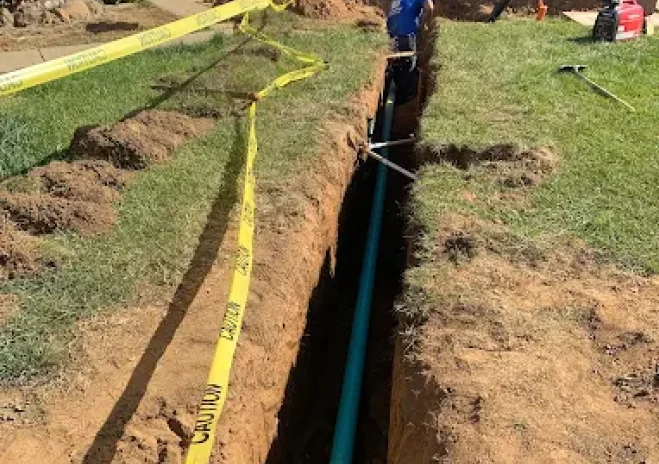
Schedule annual professional drain maintenance
Most homeowners wait until a complete blockage occurs before calling for help, but preventive drain maintenance can save thousands in emergency repairs. Annual professional inspection and cleaning removes the gradual buildup of grease, soap residue, hair, and mineral deposits that accumulate in pipes over time. In older neighborhoods throughout the region, cast iron pipes are particularly susceptible to corrosion and scale buildup that narrows the interior diameter and reduces flow capacity.
During a professional maintenance visit, technicians can identify early warning signs such as slow drainage, recurring clogs in specific fixtures, or unusual odors that indicate developing problems. Advanced cleaning methods like hydrojetting use high-pressure water streams to thoroughly scour pipe interiors, removing stubborn buildup that traditional snaking cannot address. This proactive approach is especially valuable in homes with mature landscaping, where tree root intrusion into sewer lines begins as microscopic infiltration through pipe joints and gradually expands into major blockages.
Establishing a maintenance schedule also creates a documented service history that helps technicians track changes in your system’s performance over time. This continuity allows professionals to spot patterns and recommend targeted interventions before minor issues escalate into system failures that require extensive excavation and replacement.
Monitor water pressure and address fluctuations immediately
Water pressure that suddenly drops or spikes indicates underlying problems that place stress on every component in your system. Optimal residential water pressure should fall between 45 and 60 pounds per square inch (psi). Pressure consistently above 80 psi accelerates wear on pipe joints, valve seals, appliance connections, and water heater tanks, significantly shortening their functional lifespan. Conversely, low pressure often signals partial blockages, failing pressure regulators, or hidden leaks that waste water and money.
Installing a simple pressure gauge on an exterior hose bib allows you to check your system’s performance quarterly. If you notice readings outside the normal range, a pressure regulator adjustment or replacement may be necessary. In areas with municipal water service, supply pressure can vary based on demand patterns throughout the day and seasonal usage spikes during summer months when irrigation systems draw heavily on the infrastructure.
Unexplained pressure drops in individual fixtures while others maintain normal flow often indicate localized problems such as corroded supply lines, clogged aerators, or failing fixture valves. These isolated issues can be resolved quickly when caught early, but ignoring them allows corrosion to spread and blockages to worsen. Professional leak detection services can identify hidden problems behind walls or under slabs that manifest as pressure irregularities before they cause visible water damage.
Flush your water heater tank annually to prevent sediment buildup
Mineral-rich water supplies common to many local areas cause calcium and magnesium to precipitate out of solution and settle at the bottom of water heater tanks. This sediment layer acts as an insulating barrier between the heating element or burner and the water, forcing your system to work harder and consume more energy to achieve the desired temperature. Over time, the buildup hardens into a concrete-like mass that reduces tank capacity, causes premature element failure, and generates the popping or rumbling sounds many homeowners notice in older units.
Annual flushing removes accumulated sediment before it becomes problematic. The process involves connecting a garden hose to the tank’s drain valve and running water until it flows clear rather than cloudy or discolored. For tanks that have never been flushed or have gone several years without maintenance, sediment may have compacted to the point where the drain valve becomes clogged or difficult to operate. Professional water heater maintenance includes inspection of the anode rod, which sacrifices itself to prevent tank corrosion, and testing the temperature-pressure relief valve to ensure it functions properly in an emergency.
Neglecting this simple maintenance task shortens water heater lifespan from the typical 10-12 years to as few as 6-8 years, necessitating premature replacement. Regular flushing also maintains heating efficiency, reducing monthly utility costs and ensuring consistent hot water delivery throughout your home.
Protect pipes from temperature extremes and physical stress
While freezing temperatures are less common in this region than in northern climates, occasional cold snaps can still cause unprotected pipes in unheated spaces to freeze and burst. Pipes in crawl spaces, attics, exterior walls, and uninsulated garages are particularly vulnerable. Foam pipe insulation costs just dollars per linear foot and provides meaningful protection during temperature drops. Even in moderate climates, insulation serves the additional purpose of reducing heat loss from hot water lines, allowing water to reach fixtures at the desired temperature more quickly and reducing waste.
Physical stress from improper support, excessive vibration from appliances, or water hammer when valves close suddenly also degrades pipe integrity over time. Copper pipes should be supported at intervals of no more than six feet horizontally and ten feet vertically. Water hammer arrestors installed near washing machines, dishwashers, and other quick-closing valves absorb the shock that otherwise reverberates through the entire system, gradually loosening joints and connections.
Pay attention to any new rattling, banging, or vibration sounds when water runs or appliances cycle. These noises indicate that pipes have become loose or that pressure spikes are impacting the system. Securing loose pipes with additional hangers or brackets and addressing water hammer prevents the gradual deterioration that leads to leaks and joint failures. Regular visual inspection of accessible pipes in basements and crawl spaces allows you to spot corrosion, moisture accumulation, or failing insulation before problems become critical.
Address small leaks immediately to prevent cascading damage
A dripping faucet or minor weep from a pipe joint may seem insignificant, but these small leaks cause substantial damage over time. A faucet dripping once per second wastes more than 3,000 gallons annually, adding unnecessary cost to water bills while the constant moisture promotes mold growth and deteriorates surrounding materials. More importantly, visible leaks often indicate underlying issues such as corroded washers, failing gaskets, or compromised pipe threads that will worsen without intervention.
Hidden leaks behind walls, under slabs, or in crawl spaces pose an even greater threat because they go undetected until significant damage has occurred. Warning signs include unexplained increases in water bills, the sound of running water when all fixtures are off, warm spots on floors above slab leaks, or musty odors indicating moisture accumulation. Professional leak detection services use acoustic listening devices, thermal imaging, and tracer gas technology to pinpoint hidden leaks without destructive exploratory demolition.
The moisture from even small leaks creates ideal conditions for mold and mildew, compromises structural wood framing, damages drywall and flooring, and accelerates corrosion of nearby pipes and connections. What begins as a minor repair costing a couple of hundred dollars can escalate into a multi-thousand-dollar remediation project involving mold abatement, structural repairs, and extensive replacement of water-damaged materials. Sewer camera inspection technology allows professionals to evaluate the condition of drain and sewer lines internally, identifying cracks, joint separation, and root intrusion before they cause backups or collapses that require expensive excavation and line replacement.